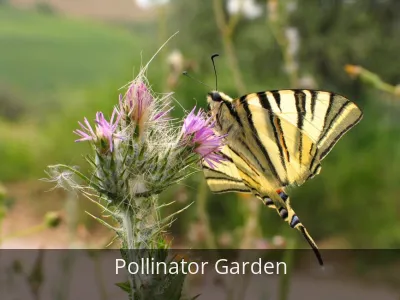
🚨STOP!
Before you plant another beautiful bloom, take a critical look at your garden.
Are your buzzing visitors just passing through, or are they truly thriving?
Many of us fill our plots with vibrant flowers, believing we’re doing our part, but often overlook three utterly crucial elements that could be the difference between a good garden and a truly life-saving pollinator paradise.
Get ready to transform your space into an irresistible haven that bees and butterflies won’t just visit, but call home, because you’re about to discover these three game-changing, often-missed lifesavers.
The Unsung Hero: Fresh Water Sources
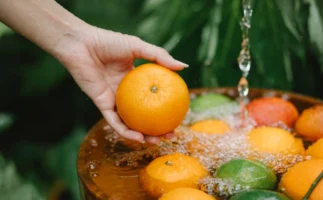
Did you know bees get thirsty?
Just like us, they need to hydrate, cool themselves, and even dilute honey for their young.
It sounds obvious, yet a reliable, safe water source is one of the most commonly missed ingredients in a pollinator garden.
We often assume a bird bath or a pond is enough, but these can be dangerous traps for smaller insects who can easily drown.
The oversight here is a lack of shallow, accessible drinking spots.
The simple fix?
Create a bee bath!
Fill a shallow dish with pebbles, marbles, or even sand, then add water just enough to cover the bottom half of the stones, creating safe landing pads for our thirsty friends.
You’ll be amazed at how quickly they find it!
Beyond the Bloom: Diverse Native Host Plants
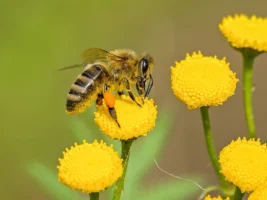
Of course, we know flowers are important, but are your choices truly optimal?
The biggest oversight here is planting only non-native ornamentals, or focusing solely on nectar-rich flowers without considering host plants.
For butterflies, in particular, their caterpillars often require specific native plants to survive and develop – no host plant, no butterflies!
Think of it: a Monarch butterfly won’t lay eggs on anything but milkweed.
This isn’t just about food for adult bees and butterflies; it’s about providing the full life cycle support.
The practical solution is to research your local native plants and incorporate them into your garden design, ensuring a variety of bloom times from early spring to late fall.
You’ll provide nectar, pollen, and crucial nursery beds for the next generation.
The Messy Secret: Critical Shelter & Nesting Sites
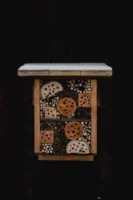
Finally, your garden might be missing something essential because it’s too tidy.
Many of our native bees (and there are over 4,000 species in North America alone!) don’t live in hives; they are solitary, nesting in hollow stems, undisturbed bare ground, or small tunnels.
The common oversight is over-manicuring: raking every leaf, cutting back all dead stalks in fall, and ensuring every inch of soil is covered.
This eliminates vital nesting and overwintering sites.
What’s the easy fix?
Embrace a little “wildness.”
Leave patches of bare soil undisturbed for ground-nesting bees.
Cut back some perennial stems to about 8-12 inches in the fall, leaving hollow centers exposed for tunnel-nesting bees.
Consider a small brush pile or even a purpose-built bee hotel (with solid wood tunnels, not bamboo bundles) to offer diverse shelter options.
Your garden isn’t just a pretty space; it’s a vital pit stop, a nursery, and a home for the creatures that underpin our entire ecosystem.
By adding these three often-missed lifesavers – a safe water source, diverse native host plants, and crucial shelter – you’re not just gardening, you’re becoming a true pollinator hero.
Which one will you add first?
Witness Your Garden’s Secret Life Up Close
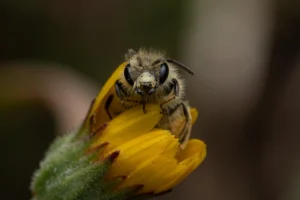
You’ve poured your heart into creating a haven for pollinators, a vibrant tapestry of blooms and life.
Now, isn’t it time to truly experience the magic you’ve cultivated, not just at a distance, but with breathtaking intimacy?
The beauty of a pollinator garden isn’t just in its flowers; it’s in the intricate dance of the creatures it attracts.
Imagine getting so close you can count the tiny hairs on a bumblebee’s leg, or marvel at the iridescent scales on a butterfly’s wing, details often lost to the naked eye.
This isn’t just casual observation; it’s an invitation to an intimate discovery, transforming your backyard into a living, breathing natural documentary.
That’s where a good pair of Binoculars becomes your most valuable gardening tool, unlocking a hidden world of wonder.
What if you could effortlessly identify that previously too-fast skipper or observe the precise feeding technique of a monarch, all from the comfort of your patio?
Suddenly, your garden sanctuary isn’t just a collection of plants; it’s a dynamic, ever-changing stage where nature’s tiny wonders perform daily.
The Celestron Outland X 8×42 Binoculars, for instance, are designed to bring these miniature dramas into sharp, vivid focus.
Their clarity and magnification deepen your connection, foster endless curiosity, and bring unparalleled satisfaction to all your hard work.
So, take a moment, grab your new viewing companion, and prepare to be utterly captivated by the buzzing, fluttering world you’ve brought to life.
Leave a Reply